


During the 2nd world war America had a list of Japanese cities it wanted to bomb with the atomic bomb. The city of kyoto was on that list and it was one of the top recommended targets by the military.
But the secretary of war, Henry Stimson objected strongly. He had personally visited Kyoto on his honeymoon and loved its culture. He admired its temples, gardens, philosophy & heritage.

The military kept trying to put Kyoto back on the list. But Henry was adamant about replacing it. Eventually he won, Kyoto was replaced by Nagasaki.
Kyoto was saved because of its story.
That’s why it’s very important to be in control of your story and actively shape it.
If you don’t tell your story in your own words, someone else will tell it for you, through their own lens, with their own biases.
Some 2000 years ago, Aristotle studied what makes up for a great story. How can we write a story that is persuasive and moves people to take action.
Here’s the 5 element framework he gave us:
1. Ethos
Ethos is about authority & character.
Do people trust you? Do they see as someone worth listening too?
It’s about credibility. And it’s built through consistency & commitment to what you are saying.
There’s a concept in storytelling of ‘katha’ & ‘kathakar’. ‘Katha’ is the story & ‘Kathakar’ is the storyteller.
Small kids ask for the same story to be told over again and again. We did the same thing with our grandparents. We knew the story from beginning to end, but we always wanted to hear it again.
What pulled was not the katha (the story) but the kathakar (the storyteller). That’s ethos in action. Who is telling the story and why we want to listen it from them.
2. Logos
Logos is about reason. It involves making a logical appeal using data and facts to build a rational argument.
Stories that move the heart, also have to satisfy the mind.
Logos is the architecture beneath the emotion. It’s the reason why the best stories feel both moving and true.
3. Pathos
Pathos is about emotion.
It’s the genuine connection you build with your audience through honest communication.
In the story of the ugly duckling. A duck lays some eggs. They hatch and all the ducklings look same except one. He looks bigger & awkward.
He feels sad about not fitting in.
But then he sees a flock of swans. He realizes he was neer even a duck in the first place. He was a swan.
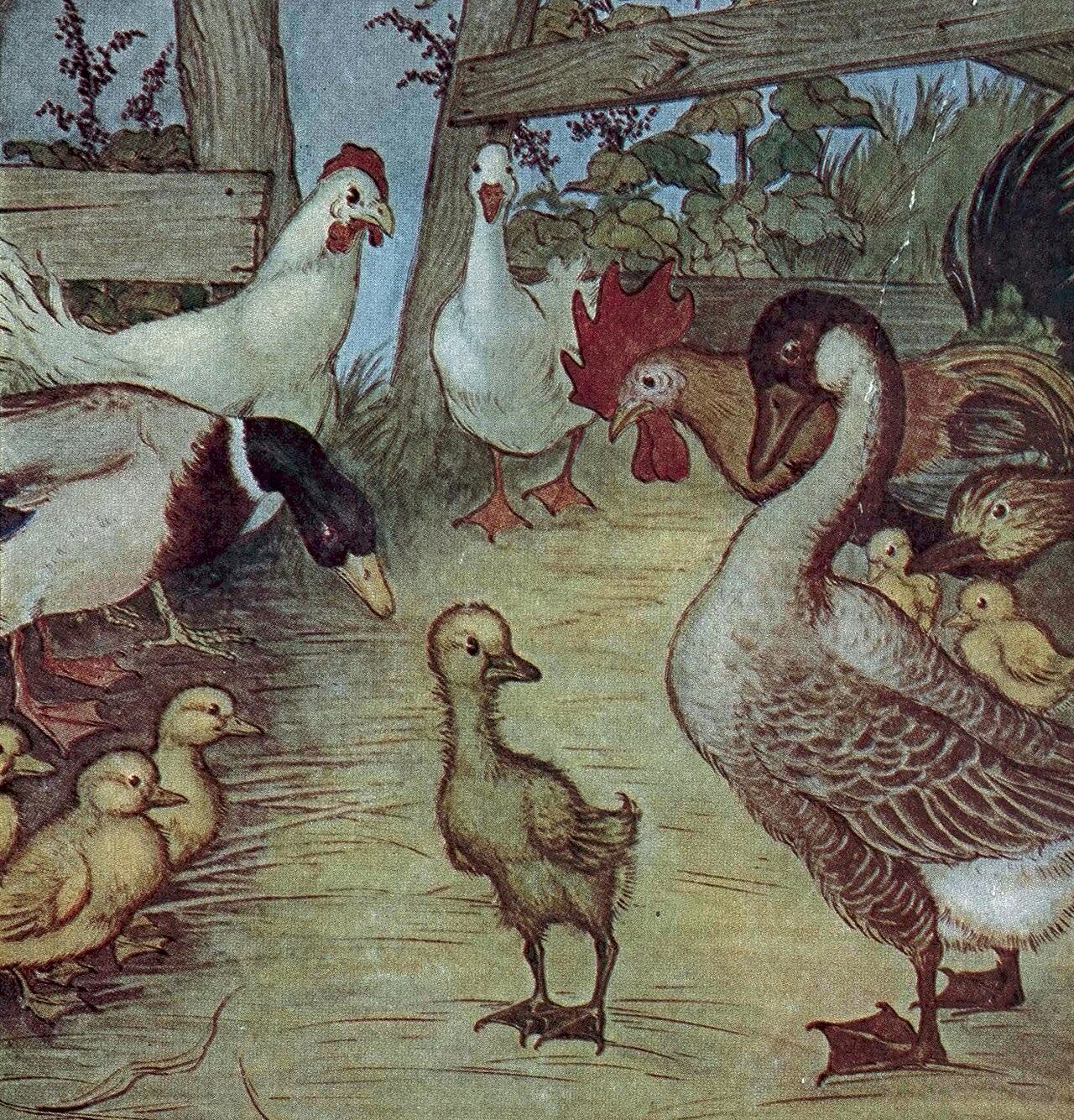
The story is simple and relatable. At some point in our lives, we all have been the ugly duckling. Feeling different and wanting to feel like we are a part of something but not able to fit in.
Pathos is the emotional feeling that says, “yes, this is true for me as well.” Or “yes, I am rooting for you to win”
4. Metaphor
Metaphor helps people process complex ideas.
Think about how we talk about time. “Time is money”. Three words and suddenly an abstract, philosophical concept became something we intuitively understand. We “spend” time, “waste it”, “save it”, “invest it”.
Time has become this currency that we value. It’s the reason we think about ways to be productive.
Metaphor takes something your audience has never experienced before and connects it to something that they know & understand intutively
Brevity
This word doesn’t need an explanation.
Short sentences. Punchy sentences. Knowing what to leave out.
Respect your audience’s time and attention. Let your stories breathe. Leave room for the listener to fill the gaps. Let them participate and make the story their own.

It blows away my mind that these principles were written 2000 years ago and they are still relevant today. Whether scriptwriting an hour long youtube video or writing a script for a 60 second reel.
The fundamentals haven’t changed. If we can just practice more and more. There’s nothing that can stop us from becoming grand storytellers.
Signing off
Akanksha