


Intelligence as a tone sounds very calm and reasonable. It never raises its voice. And this tone matters. Because when something sounds this composed, this thoughtful, you’re inclined to trust it.
This exact tone is used in documentary called The thinking Game. This documentary tells the story of DeepMind and how close they are to building AGI (Artificial General Intelligence).
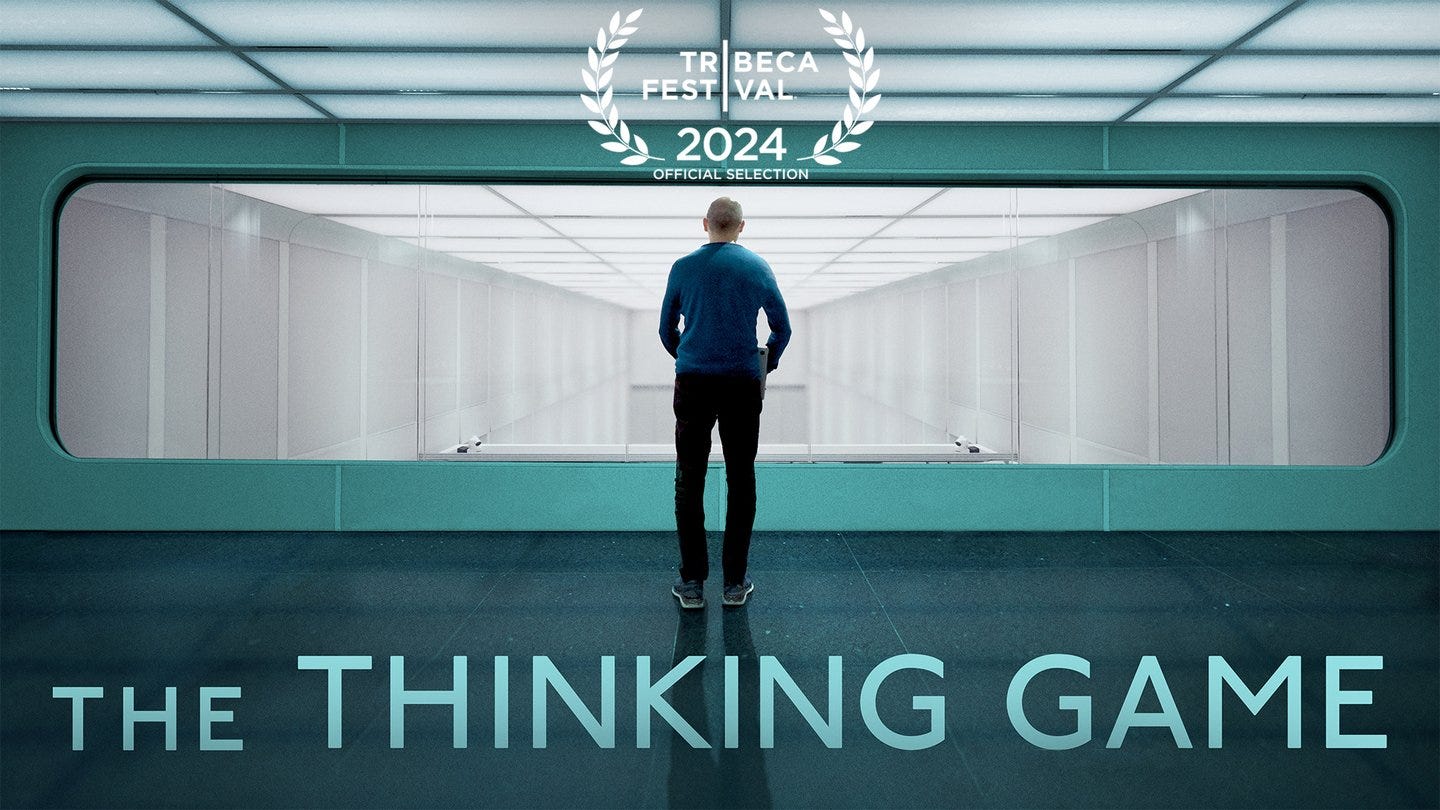
In the start, AI intelligence is presented as something measurable. A thing that can be trained and improved. But as you progress, you realize they are claiming, AGI is not only possible. But IT’S COMING!
very very soon.
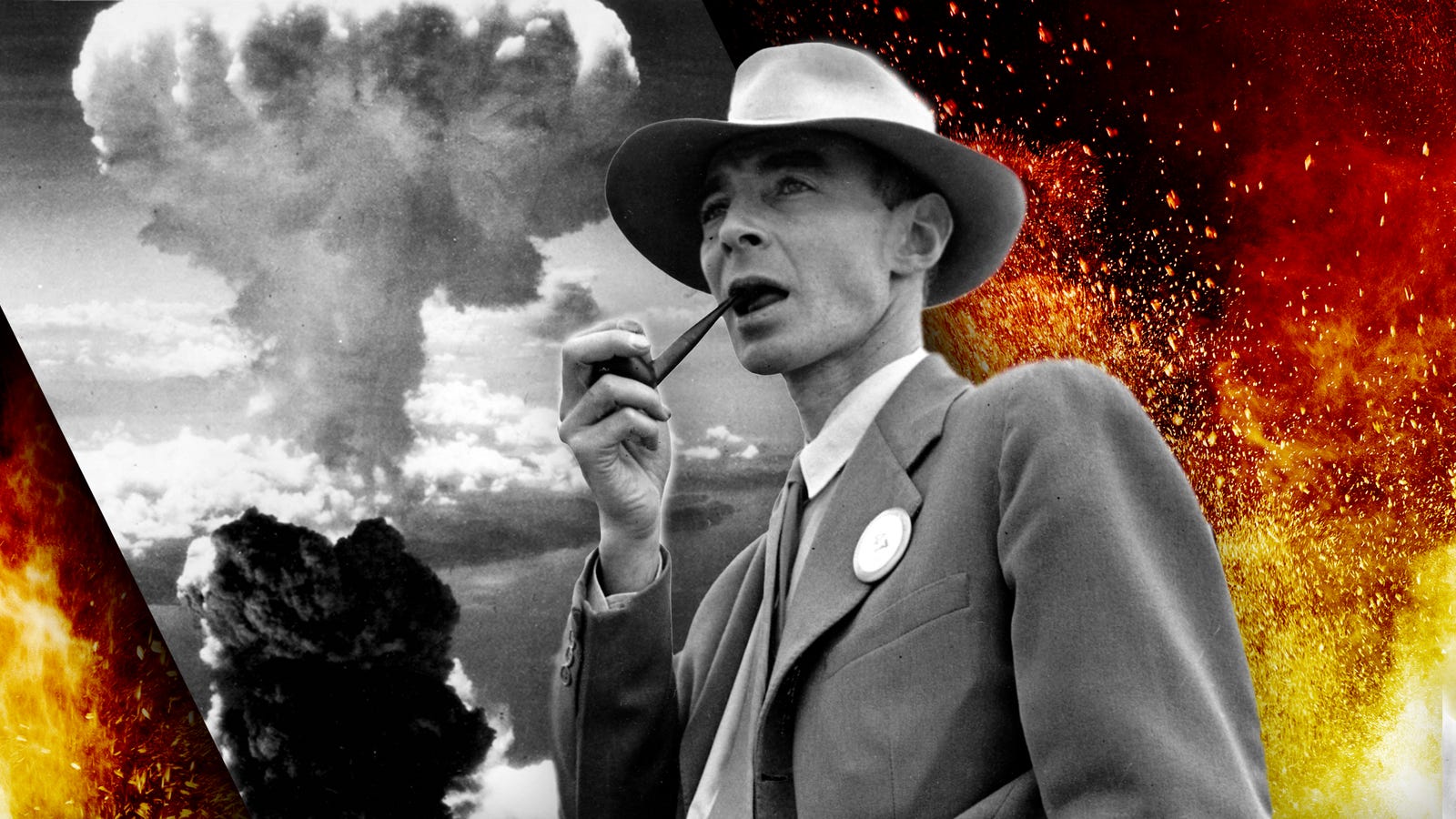
By the end of the documentary, everyone talks about Responsible AI. DeepMind has the same philosophy as the Manhattan project,
“If we don’t build AGI, someone else will. So, we will build it ethically. “
Just like Oppenheimer built atomic bomb out of fear that Nazi Germany would develop it first.
This is the only thing that concerned me while watching the documentary. Otherwise I liked it. I liked the idea that the world is going to very different from what we see now.
One thing the film beautifully shows is the people and their stories.
The researchers at DeepMind are not chasing money or hype. They see AGI as a once in a life time opportunity where human effort could fundamentally change how the world works.
You also begin to notice how differently a research lab operates compared to a traditional company. DeepMind doesn’t behave like a startup racing for growth. It is a research lab, it is obsessive about fundamentals and thinking from first principles.
This culture comes directly from its founder, Demis Hassabis.
Demis Hassabis was once offered $1 million by Peter Thiel to skip college and move to Silicon Valley to build companies.
But he rejected that offer and went to Cambridge because he wanted to see the place where the greatest minds in the history went to think. Einstein, Newton, Alan Turing, Charles Darwin... to name a few.
Dennis has always been fascinated with the human brain and its power of thinking. He was a chess prodigy. He studied Neuroscience to understand human brain and how we can replicate that on machines.
That obsession became DeepMind.
Deepmind is the first company that achieved some sort of general intelligence.
They started teaching games to AI. The first game Ai played and learned on its own was Pong. After Pong, AI was made to play all the arcade games from the 90s.

In 2017, Wuzen China, when AlphaGo (An AI model to play world’s most complex board game) went live, halfway through the first game, the best Go player in the world was not doing so well.
The crazy part was chinese goverment cut off the live feed and started playing some music video when they saw their star player loosing.


After the success of AlphaGo.
AlphaZero came into the picture. Here zero meant zero human knowledge in the loop. It had only one rule. Learn from your own experiences. It’s the fuck around and figure out version of AI
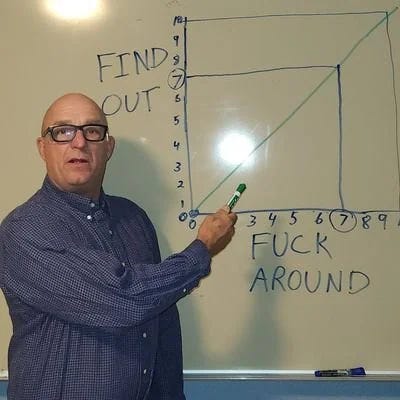
AlphaGo took months of training to give results.
But AlphaZero could start in the morning, playing the game completely randomly & then by evening be at superhuman level and by dinner time it will be the strongest chess entity that’s been there.
Bro, this made me feel so dumb as a human. The machine performs better without the human input.
After playing games, Deepmind wanted to solve some real world problems with AI.
So Dennis decided to focus on one of biology’s hardest problem - protein folding.
Scientists have been working religiously on it for more than 50 years. Pain staking experiments just to identify protein folding structure. Sometimes they were succesful, most of the time they were not.
That’s how the work AlphaFold was started.
AlphaFold can predict protein structures with remarkable accuracy.
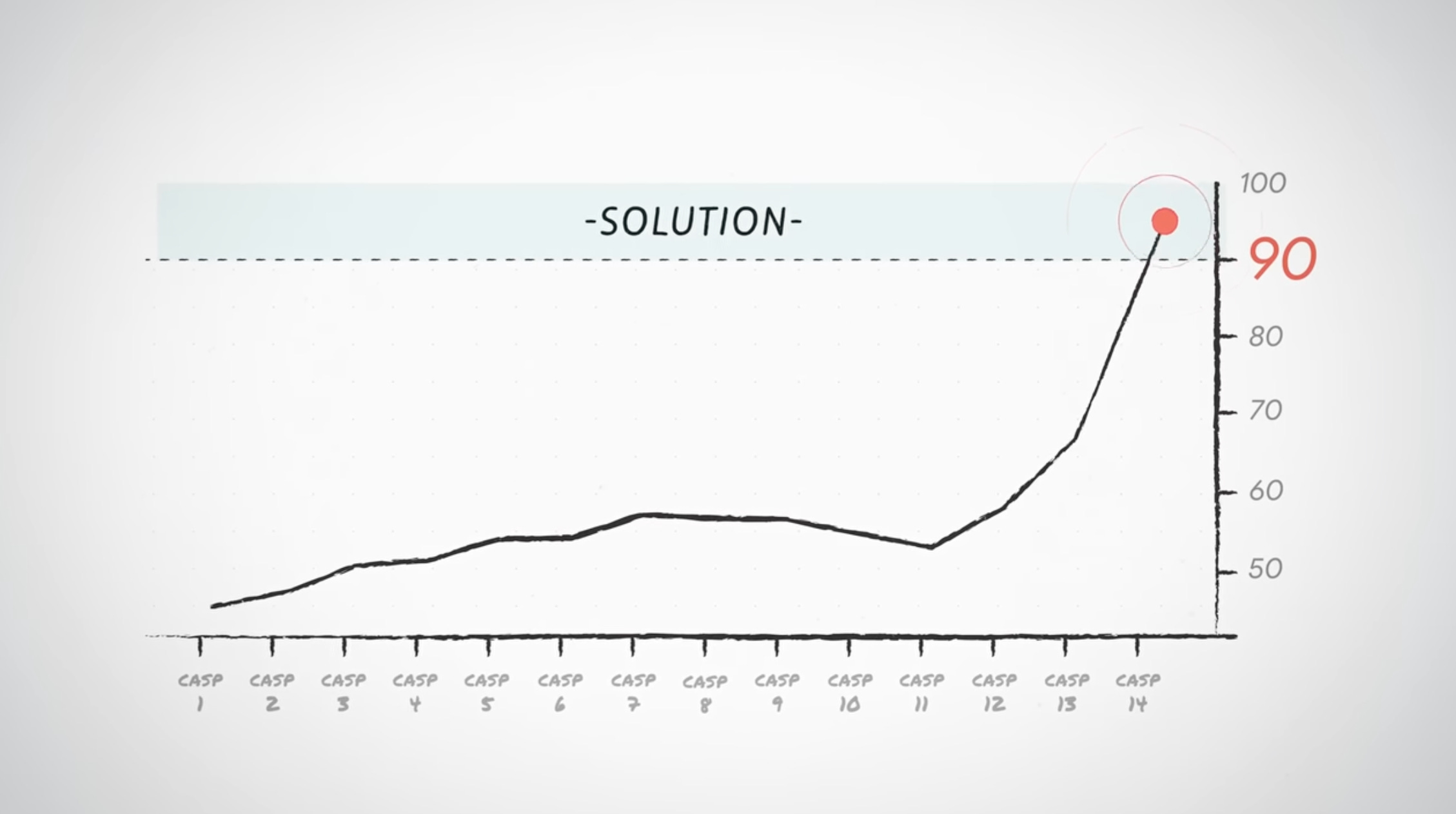
In 2024 Demis Hassabis and John Jumber were awarded the Nobel prize in Chemistry for protein structure prediction. Who would have thought this was possible with AI
This documentary has been watched by 100M people. You can watch it for free on YouTube:
This was fun!
Signing off
Akanksha
Responsibility gets duted among all the runners.... So true. We will have to be mindful of our individual decisions and how we guide people around us.
I also wonder this... When a few people change the world how can someone course correct without being rigid against technology.